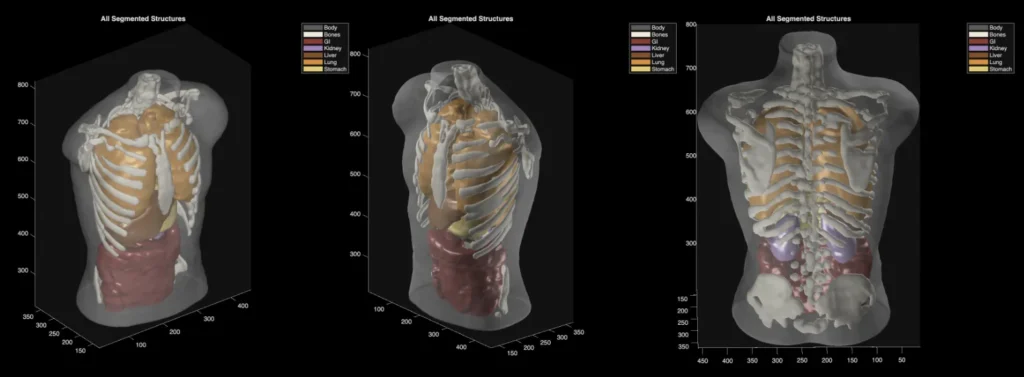

Midjourney CEO David Holz just announced the company’s first hardware product, and it’s not what anyone expected. No new image generation model, no fancy interface update. Instead, he showed off a full-body ultrasound scanner called The Midjourney Scanner.
It’s a ring of sensors that captures vertical slices of your body, analyzing muscle, fat, bone, and organs. Holz claims it aims for “image quality comparable to MRI in many ways.” That’s a bold statement, but the demo images look convincing.
The scanner uses ultrasound, not magnets or radiation, so it’s safe for frequent use. Holz envisions people using it once a year or even daily. That’s a big leap from the “cat pictures” his company is known for, and he admits the pivot is a bit strange.
One use case he mentioned: tracking how your body responds to diet, exercise, or medical treatments over time. Instead of guessing whether your muscle mass is increasing, you’d have actual data. I can see this being huge for athletes, biohackers, or anyone serious about health tracking.
But let’s be real: this is still early-stage hardware. The Verge notes the scanner is currently in development, and there’s no clear timeline for consumer availability. Pricing is also unknown. And while ultrasound is safer than X-rays or CT scans, it’s not as detailed as an MRI for soft tissue. Holz’s “comparable to MRI” claim should be taken with a grain of salt until independent tests come out.
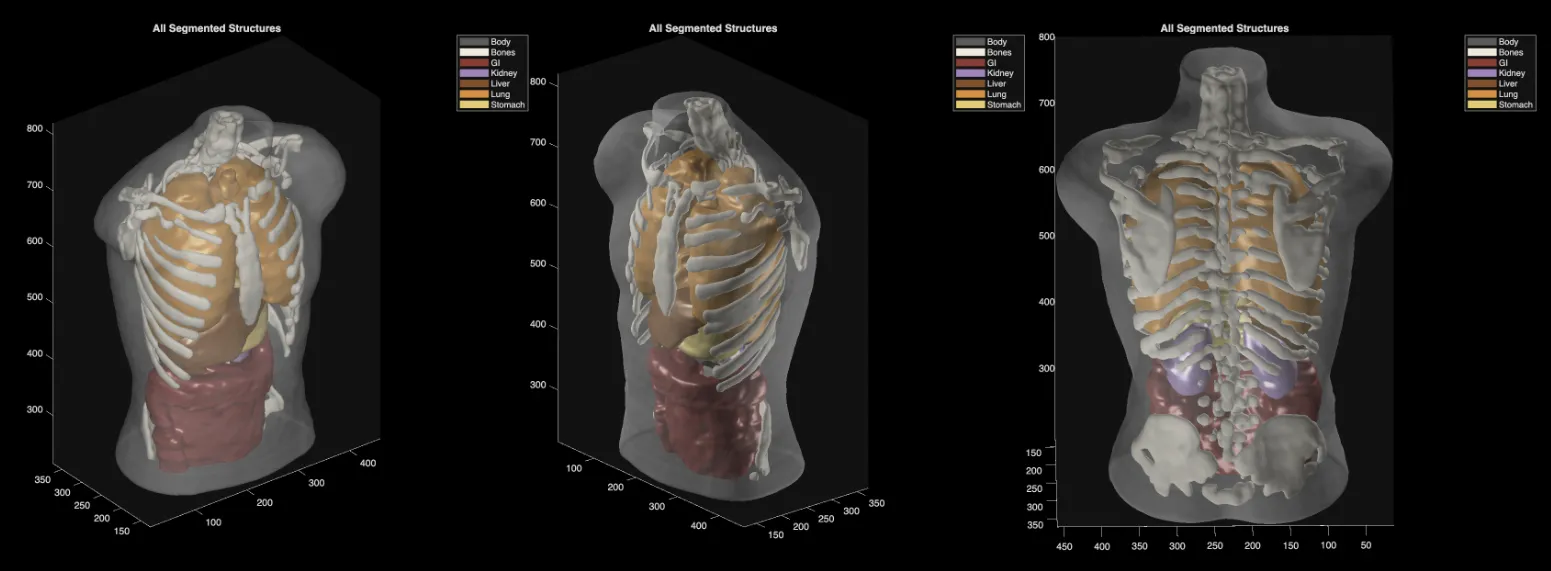
The company also plans to build a San Francisco spa, which sounds like a weird flex until you realize it’s probably a showcase space for the scanner. Midjourney has always been about aesthetics — their image generator produces stunning visuals — so a spa fits the brand better than a sterile medical office.
I’m cautiously optimistic. The hardware space is littered with failed health gadgets, from blood-glucose monitors to smart scales that promised more than they delivered. But Midjourney has the resources and the design sensibility to pull this off if they execute well.
For now, it’s a fascinating glimpse into where the company is headed. Not just generating images of bodies, but scanning the real ones.
Comments (0)
Login Log in to comment.
Be the first to comment!