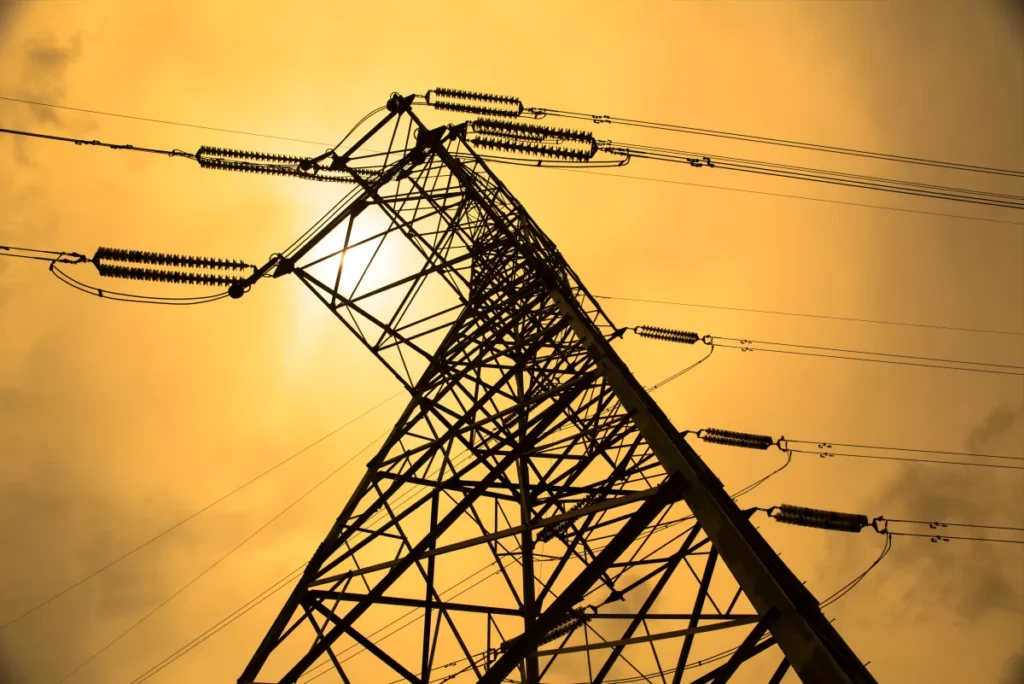

FERC dropped a decision yesterday that’s going to rattle around the energy and tech worlds for a while. The commission told grid operators they need to prioritize interconnection requests from data centers — essentially creating a fast lane for AI infrastructure to plug into the grid.
On the surface, this makes sense. Data center developers have been screaming about interconnection delays for years. Waiting 3-5 years for a grid connection when you’re trying to build a facility that’ll be obsolete in 7 is a non-starter. FERC’s order tries to fix that by giving data centers priority queue status, skipping ahead of other generation and load projects.
But here’s the thing FERC conveniently glossed over: interconnection isn’t the same as generation. You can have all the fast lanes in the world, but if there isn’t enough electricity to actually power those data centers, you’re just building expensive empty buildings.
The order doesn’t address supply constraints at all. It’s like telling airlines they can land faster at an airport that’s already at capacity. The runway might be clear, but there’s no fuel for the planes.
I’ve been watching this tension build for a while. AI workloads are power-hungry in ways that make crypto mining look quaint. A single training run can consume as much electricity as a small town uses in a month. And now we’re talking about deploying inference at scale — that’s continuous draw, not batch jobs.
The utilities I’ve talked to are already sweating. Some are projecting 15-20% annual load growth from data centers alone, in regions that haven’t seen load growth in decades. PJM, MISO, ERCOT — they’re all scrambling to figure out how to add generation fast enough.
FERC’s order might actually make things worse in the short term. By prioritizing data center interconnections, you’re effectively deprioritizing new generation projects. Solar farms, wind projects, gas peakers — they all need interconnection studies too. If data centers jump the queue, generation projects get pushed back, which means the supply problem gets worse before it gets better.
There’s also the question of who pays for the grid upgrades. Data centers are massive loads that require significant transmission and distribution infrastructure. FERC’s order doesn’t clarify cost allocation, which means we’re heading for a fight between data center developers, utilities, and ratepayers.
Some states are already pushing back. Virginia’s been dealing with this for years — Northern Virginia is the data center capital of the world, and the grid there is strained to breaking point. Dominion Energy has had to implement special tariffs and interconnection requirements. Other states are watching and learning.
The real solution isn’t faster interconnections — it’s more generation, built faster. That means permitting reform, advanced nuclear, better energy storage, and maybe even natural gas with carbon capture. But those are hard problems that FERC can’t solve with a single order.
For now, data center developers should be careful what they wish for. Getting a fast lane to a grid that can’t power you isn’t much of a win. And if you’re a utility reading this: good luck explaining to your residential customers why their rates are going up so a hyperscaler can train another LLM.
I’ll be watching how the regional transmission organizations respond. PJM’s already signaled they might challenge the order. ERCOT’s probably just going to ignore it and do their own thing, as usual. The next 12 months are going to be interesting.
Comments (0)
Login Log in to comment.
Be the first to comment!