
Nvidia announced a new cooling system this week that it says will cut water consumption inside data centers. That’s fine as far as it goes. But if you think this fixes AI’s water problem, you’re missing the much bigger picture.
The new system is a direct-to-chip liquid cooling setup that uses less water than traditional evaporative cooling towers. Nvidia claims it can reduce facility-level water use by up to 30% in some configurations. That’s a meaningful improvement for data center operators facing drought restrictions or rising water costs. I’ve seen similar claims from other hardware vendors over the years, and the engineering is solid. But here’s the thing: the water used inside the data center is only a fraction of the total water footprint of AI.
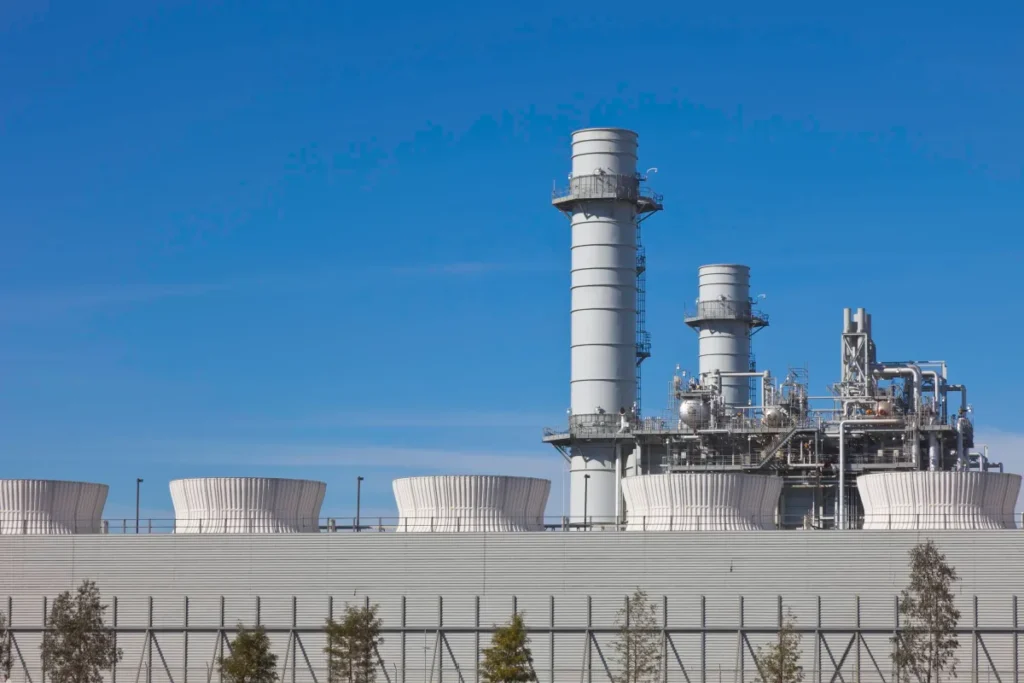
The real water hog is the power plant. Most of the electricity that runs AI training and inference comes from thermal power plants — coal, natural gas, nuclear. Those plants consume enormous amounts of water for cooling. A single large coal plant can use hundreds of millions of gallons of water per day. When you run a GPU cluster for weeks training a model, you’re indirectly consuming that water. Nvidia’s cooling system doesn’t touch that at all.
I’ve been tracking this for a while. A 2024 study estimated that training GPT-3 consumed roughly 700,000 liters of water indirectly through power generation. That’s more than the direct water use of most data centers in a month. And inference — the ongoing use of models — adds up even faster. Every query to a large language model has a water cost that’s almost entirely upstream.
Nvidia’s announcement is good engineering. It’s not a solution. The company could have been more honest about the limits of what they’re addressing. Instead, the press release reads like they’re solving AI’s water crisis. They’re not. They’re optimizing one small piece of a much larger system.
If Nvidia really wanted to cut AI’s water footprint, they’d push for renewable energy sources that don’t require water for cooling — wind and solar. They’d advocate for more efficient power grids. They’d design chips that use less power in the first place. But those are harder sells. A cooling system is a product you can sell today. A grid overhaul is a long-term policy fight.
So take the announcement for what it is: a incremental improvement in data center efficiency. But don’t let anyone tell you this fixes AI’s water problem. The real fix is upstream, and it’s not going to come from a cooling system.
Comments (0)
Login Log in to comment.
Be the first to comment!