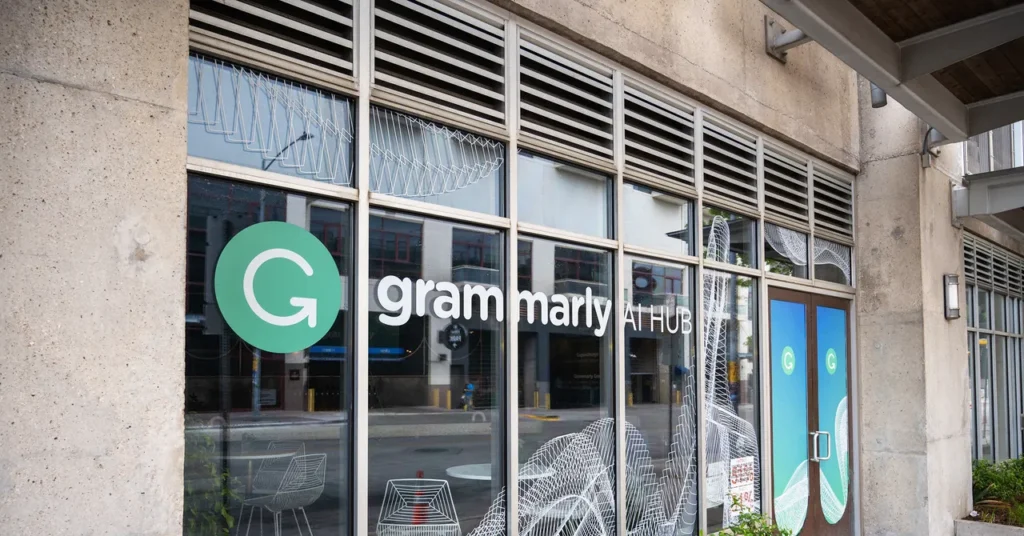

Remember being a teacher’s pet? Longing for the days when a professor would scribble notes on your essays? Grammarly has a new feature that might scratch that itch, but it’s not what you think. The company, now operating under the parent brand Superhuman, has rolled out an “expert review” option that lets you get simulated feedback from famous authors and academics — both alive and dead.
Yes, you read that right. You can now have an AI version of Stephen King critique your writing. Or Carl Sagan. Or William Zinsser, who died in 2015. The catch? None of these people have anything to do with this. Grammarly’s own disclaimer says as much: “References to experts in this product are for informational purposes only and do not indicate any affiliation with Grammarly or endorsement by those individuals or entities.”
Let me be blunt: this is creepy. And it’s not just me saying that. Vanessa Heggie, an associate professor at the University of Birmingham, called it “obscene” on LinkedIn. She shared a screenshot showing the tool offering analysis from an AI modeled on David Abulafia, a historian who died in January. The man hadn’t even been dead two months before Grammarly was using his name to sell subscriptions.
C.E. Aubin, a historian at Yale, put it well: “These are not expert reviews, because there are no ‘experts’ involved in producing them.” She’s right. The tool scrapes the works of these writers, trains an LLM on their style, and then slaps their name on the output. It’s like creating a digital puppet and claiming the puppet master is the person it’s modeled after.
The legal ground here is shaky at best. There are already multiple copyright lawsuits against AI companies for this exact kind of content harvesting. Grammarly is betting that the dead can’t sue and the living won’t bother. Stephen King and Neil deGrasse Tyson haven’t responded to requests for comment, which isn’t surprising — what are they supposed to say?
Grammarly’s senior communications manager, Jen Dakin, defended the feature by saying it “doesn’t claim endorsement or direct participation from those experts.” It’s just “suggestions inspired by works of experts.” That’s a convenient framing, but it doesn’t change the fact that they’re trading on real people’s names and reputations without consent.
And here’s the kicker: the actual quality of these “expert reviews” is questionable. An independent test by WIRED showed the tool giving generic advice like “Replace repetition with vivid, varied sentence patterns” from an AI modeled on Virginia Tufte, a writing professor who died in 2020. That’s not expert insight — that’s a writing tip you’d get from a free blog post.
This whole thing feels like a solution in search of a problem. Grammarly started as a straightforward grammar checker. Then it added generative AI features. Then it rebranded the company as Superhuman. Now it’s offering AI-generated critiques from dead people. The CEO, Shishir Mehrotra, said in a press release that “when technology works everywhere, it starts to feel ordinary.” I’d argue the opposite is happening here — this feels extraordinary, and not in a good way.
The broader issue is what this says about how tech companies view human expertise. As Aubin pointed out, it reduces scholars and writers to their work, removing their personhood entirely. It’s bad enough when AI replaces human labor. It’s worse when it appropriates someone’s identity without permission.
I’m all for useful AI tools. But this crosses a line. If you want feedback on your writing, find a real person — living, breathing, and consenting — to give it. Leave the dead to rest in peace.
Comments (0)
Login Log in to comment.
Be the first to comment!