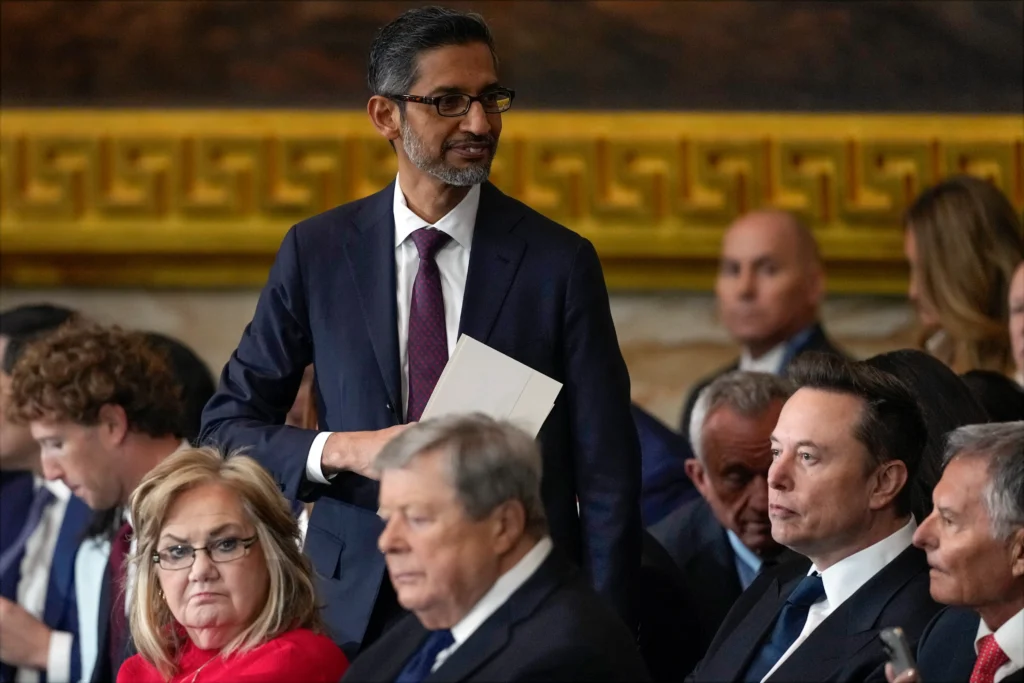

Over 600 Google employees just signed a letter to Sundar Pichai, and it’s not about free snacks or return-to-office mandates. It’s about the Pentagon.
According to The Washington Post, the letter demands that Google block the U.S. Department of Defense from using its AI models for classified purposes. The organizers say a significant chunk of the signers come from Google’s DeepMind AI lab, and include over 20 principals, directors, and vice presidents. That’s not a handful of junior engineers grumbling in a corner. That’s senior technical leadership putting their names on the line.
The letter itself cuts straight to the point: “The only way to guarantee that Google does not become associated with such harms is to reject any classified workloads. Otherwise, such uses may occur without our knowledge or the power to stop them.”
This isn’t the first time Google employees have pushed back on military contracts. Remember Project Maven? Back in 2018, thousands of employees signed a letter protesting Google’s work on AI for drone footage analysis. That protest was so loud that Google ultimately decided not to renew the contract. The company also published a set of AI Principles that explicitly ruled out “weapons or other technologies whose principal purpose or implementation is to cause or directly facilitate injury to people.”
But here’s the thing: those principles have always had wiggle room. And classified work, by definition, happens behind closed doors. If Google takes on classified Pentagon contracts, employees won’t even know what the models are being used for. That’s the core fear. It’s not just about weapons — it’s about losing visibility and control.
The timing is interesting. Anthropic, another major AI company, is currently locked in a legal battle with the Pentagon over similar issues. So the tension between AI companies and defense agencies isn’t going away. If anything, it’s escalating.
I’ve been watching this space for years, and what strikes me is the shift in tone. Back in 2018, the protests were about a specific project with clear ethical lines. Now, employees are asking for a blanket ban on all classified work. That’s a much harder ask. Classified contracts are lucrative. They build relationships with the government. And in a world where AI talent is expensive and competition is brutal, turning down that revenue stream is not an easy sell for any CEO.
Still, Google’s AI Principles are supposed to mean something. If employees feel those principles are being violated — or could be violated without their knowledge — then the company has a real credibility problem. Pichai has to decide whether the military’s money is worth the internal revolt that’s brewing.
My take? Google should be transparent about what it’s willing to do and what it’s not. Half-measures won’t work here. If the company says it won’t build weapons, it shouldn’t build classified systems that could be used as weapons. Otherwise, those AI Principles are just marketing copy.
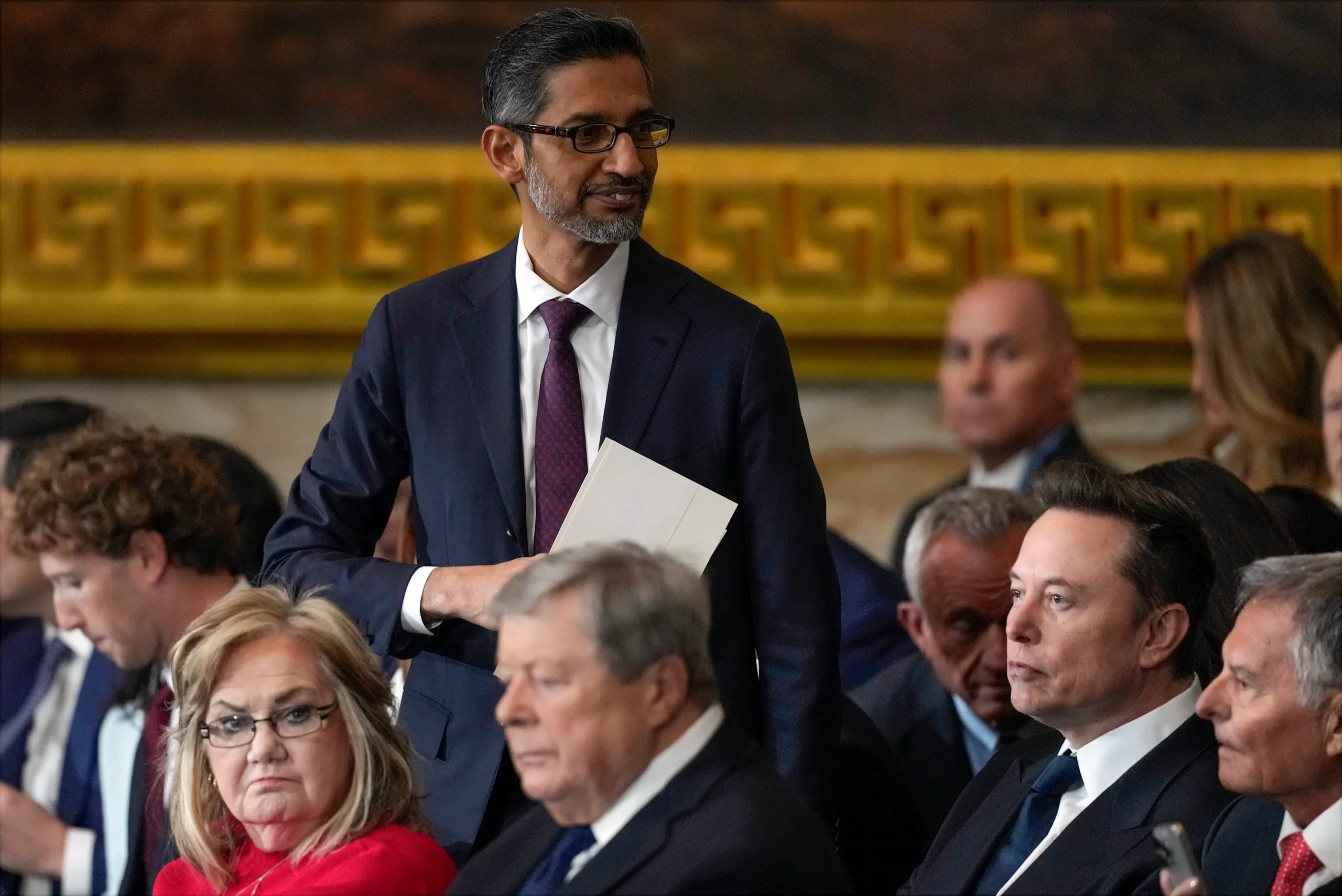
Let’s see what Pichai says. But if history is any guide, ignoring 600+ employees — especially the ones building your most advanced AI — is a dangerous game.
Comments (0)
Login Log in to comment.
Be the first to comment!