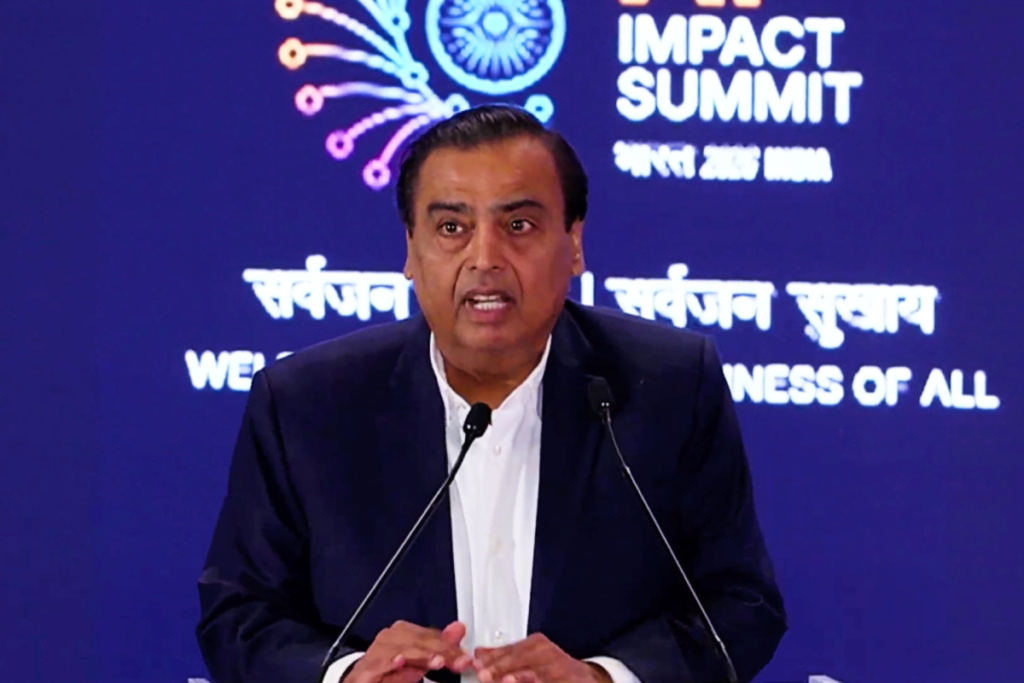

India wants a homegrown AI champion, and Mukesh Ambani is making sure it’s his Reliance Industries. At the annual shareholder meeting, the conglomerate rolled out AI services that touch phone calls, mobile apps, and connected homes. This isn’t just another tech launch; it’s a strategic play to embed AI into the daily lives of over 500 million Jio users.
The headline feature is Jio Call Agent. It’s an AI assistant that sits on your phone call, transcribing conversations, generating summaries, and handling tasks like booking cabs or ordering food. You activate it by saying “Hey Jio.” What’s interesting here is the distribution model: it’s baked into the telecom network, not a standalone app. That’s a smart move. It makes AI assistance a native feature of calls, not something you need to install and remember to open. It also gives Reliance a massive distribution advantage over third-party call-assistant apps.
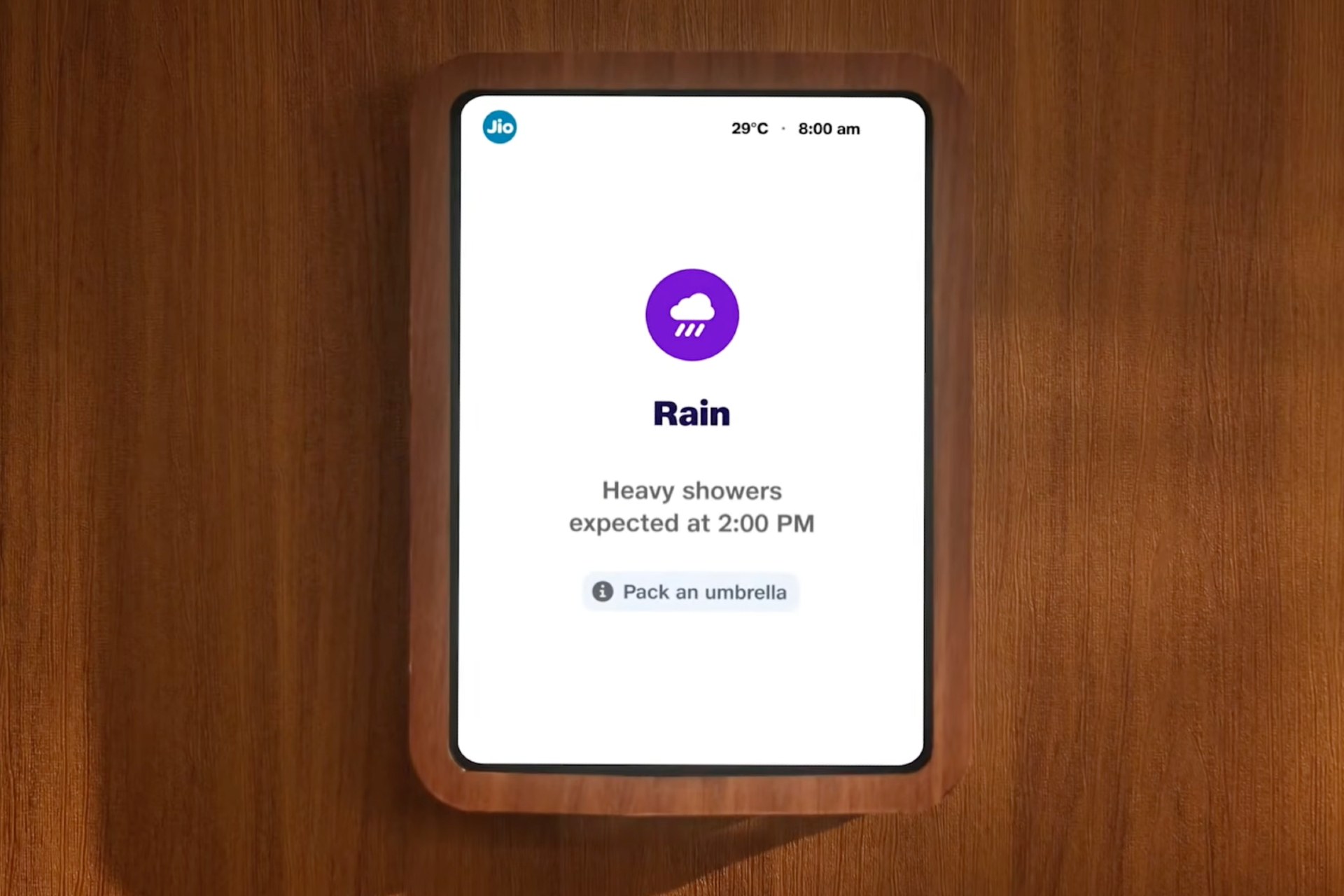
Alongside that, Reliance showed off an AI-powered MyJio app that handles tasks like activating eSIMs or selecting roaming plans through natural language. And then there’s TeleFrame, a home display that uses AI agents to proactively show weather alerts, schedules, and reminders. It’s basically an ambient AI assistant for the home, competing with Amazon’s Alexa and Google’s Nest Hub. I’m not sure how much traction this will get outside of Reliance’s existing ecosystem, but it’s a logical extension of their strategy.
These announcements follow last year’s launch of Reliance Intelligence, which aims to build AI infrastructure and services for consumers, businesses, and governments, supporting 22 Indian languages. Ambani made it clear: “India should not be a mere consumer of AI created elsewhere. It must become a creator, adopter, and a global leader in AI.” It’s a bold statement, and the $110 billion investment in AI infrastructure shows he’s serious.
Reliance has been forging partnerships with Google, Meta, and Nvidia. Just last week, they announced a collaboration with Meta to build an AI data center in Gujarat. The company also unveiled AI services for healthcare (JioHealthIQ), education (JioLearnIQ), agriculture (JioKrishiIQ), and small businesses (AI Vyapar). All are designed to work across multiple Indian languages, which is critical for adoption beyond urban centers.
But there’s a big elephant in the room: data privacy. As Reliance expands AI across phone calls, apps, and homes, how will it handle user data? The company says services operate with user consent, but it didn’t answer whether data could be used to train AI models or shared with partners. Given that calls will be transcribed and analyzed, this is a significant concern. I’d expect regulators to take a close look.
The timing is also interesting. Jio Platforms’ board approved a draft prospectus for an IPO, including a fresh issue of up to 270 million shares. Reliance needs new growth drivers; its shares are down about 17% this year. AI services could be that driver, but they also come with risks.
India’s reliance on foreign AI models and cloud providers is a real vulnerability. Recent restrictions on Anthropic’s models showed how quickly things can change. Reliance is trying to build its own stack, but it’s not alone. Tata Consultancy Services, Infosys, and Adani Group are all pushing into AI with their own partnerships. The race is on, and Ambani is betting big that embedding AI into every call, app, and home will put him ahead.
Comments (0)
Login Log in to comment.
Be the first to comment!