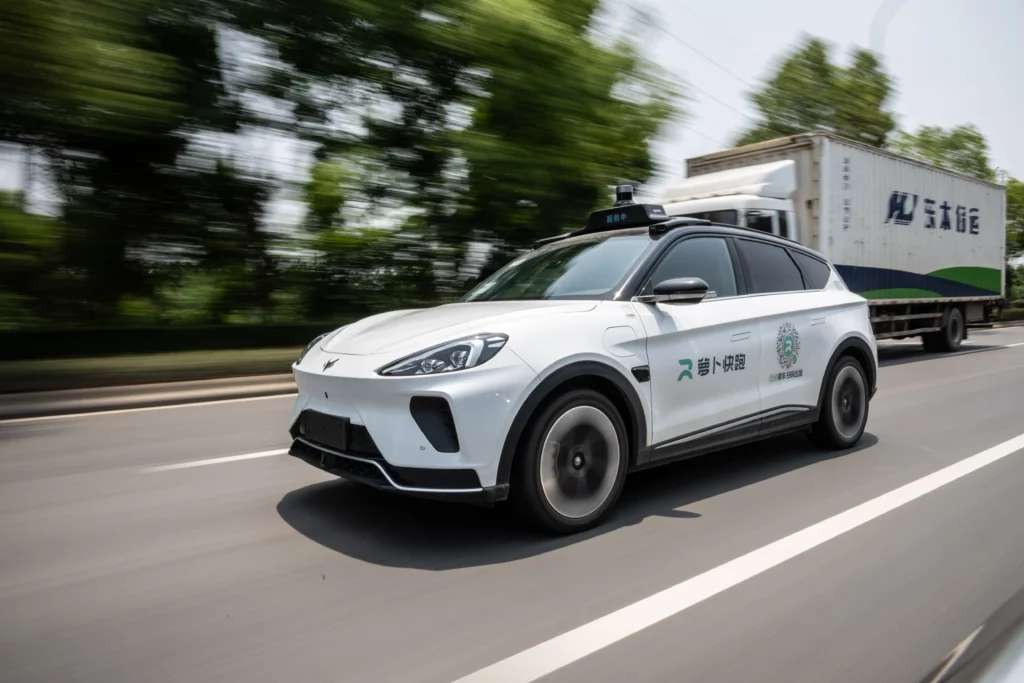

China has hit pause on issuing new licenses for autonomous vehicles, according to a Bloomberg report citing unnamed sources. The freeze comes after a rather embarrassing incident last month in Wuhan, where dozens of Baidu’s Apollo Go robotaxis just stopped working in the middle of traffic, creating a proper mess.
The restrictions mean companies can’t add new driverless cars to their fleets, expand into new cities, or kick off fresh test projects. And nobody’s saying when the freeze might lift.
Bloomberg’s sources say the Wuhan fiasco rattled authorities in Beijing. Regulators have now told local governments to take a hard look at the sector and make sure similar chaos doesn’t happen again.
This is a classic case of the tech world moving faster than the rules can keep up. Baidu’s been pushing hard on robotaxis in Wuhan, positioning itself as a leader in autonomous driving. But when a fleet of driverless cars suddenly becomes a traffic jam, it’s not a great look. The public trust takes a hit, and regulators get nervous.
I’ve seen this pattern before in other countries. Everyone wants to be first to market, but the first big failure often brings the hammer down. China’s approach here is actually pretty sensible — take a breather, figure out what went wrong, and set some clear rules before letting more cars loose on the roads.
That said, the freeze is a real setback for companies like Baidu that have bet big on autonomous driving. It also sends a signal to the rest of the industry: you can’t just roll out technology and hope for the best. The infrastructure, the regulation, and the edge cases need to be sorted first.
For now, the robotaxi race in China is on hold. And honestly, that might not be a bad thing. A little caution now could prevent a lot of headaches later.
Comments (0)
Login Log in to comment.
Be the first to comment!