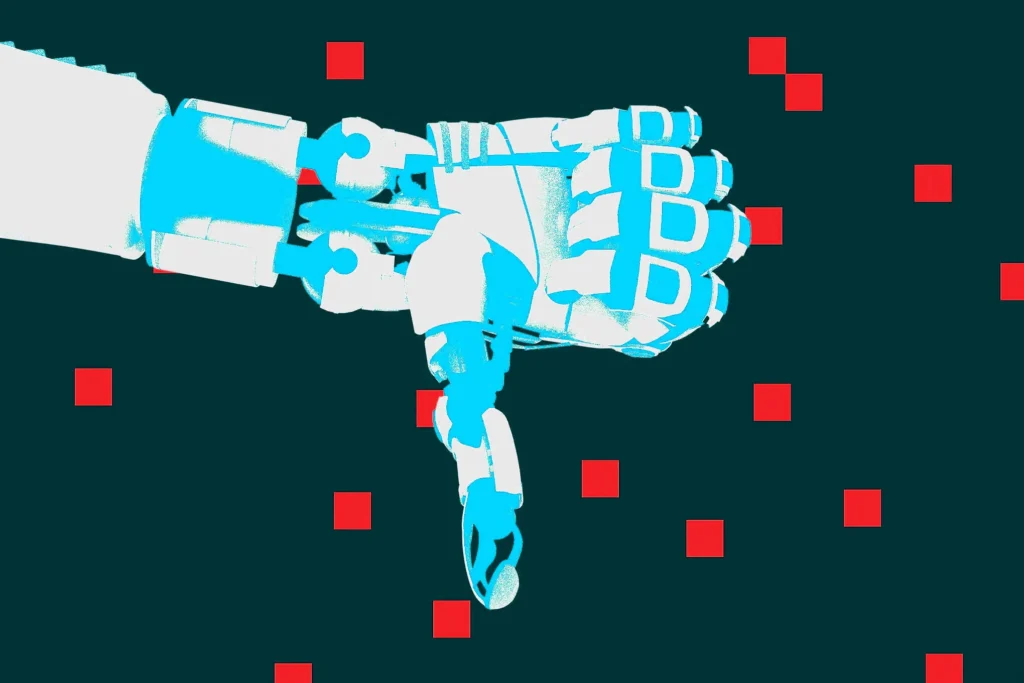

It’s been almost three years since Silicon Valley decided that chatbots like ChatGPT are the inevitable future of everything. And the group feeling the squeeze hardest? Gen Z.
Young people have always been early adopters of new tech, so it’s no surprise they’re the heaviest users of AI tools. But here’s the twist: polling data shows they’re also the most hostile toward it. According to a recent survey cited by The Verge, a significant chunk of Gen Z students and workers express deep acrimony toward AI, even as they depend on it for homework, coding, and content generation.
This isn’t just typical teenage contrarianism. The resentment feels earned. They’ve watched tech companies like OpenAI and Google promise utopia while delivering glitchy, hallucination-prone products that threaten their job prospects and devalue their creative work. They’re the ones whose professors run essays through AI detectors, whose employers are quietly replacing junior roles with automation, and whose social feeds are flooded with soulless AI slop.
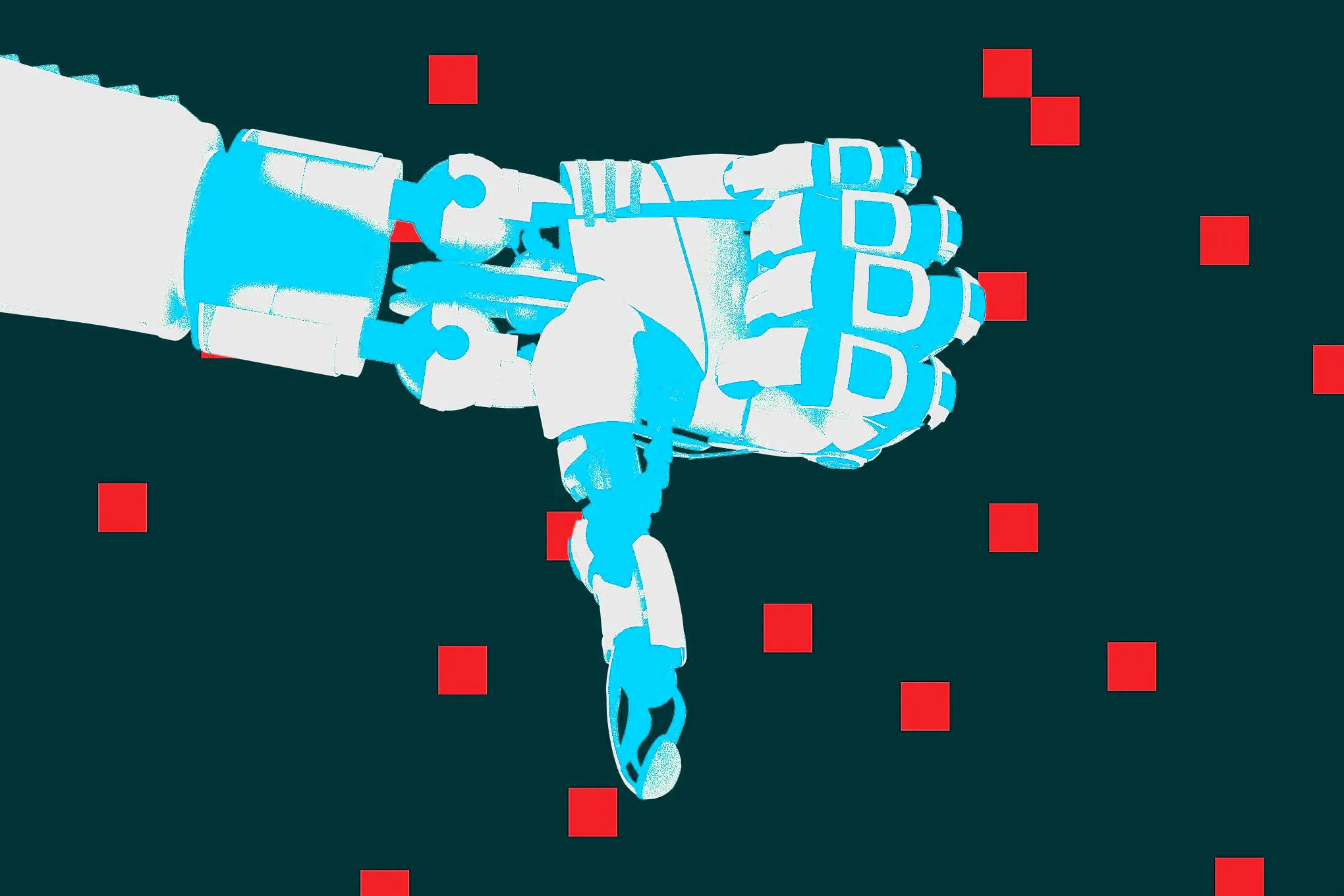
The irony is palpable. The same generation that grew up on smartphones and TikTok is now the one pushing back hardest against the next tech wave. They’re not Luddites — they know how to prompt a model better than most boomers ever will. But they also know when they’re being sold a bill of goods.
I’ve seen this pattern before with social media. The people who understand a platform best are often the first to sour on it once the hype fades and the downsides become undeniable. AI feels no different. The more you use it, the more you see its limits: the bland prose, the confidently wrong answers, the way it flattens nuance into probabilities.
Tech companies keep framing AI adoption as a matter of inevitability, but Gen Z isn’t buying it. They’re using the tools because they have to, not because they want to. And that’s a dangerous position for an industry that needs long-term trust, not just quarterly usage metrics.
Comments (0)
Login Log in to comment.
Be the first to comment!