
Maine’s governor just put the brakes on what would have been the first statewide data center moratorium in the country. LD 307, which passed through the state legislature, would have frozen new data center approvals until November 1, 2027 — an 18-month pause. But Governor Janet Mills vetoed it on Friday, and I think she made the right call.
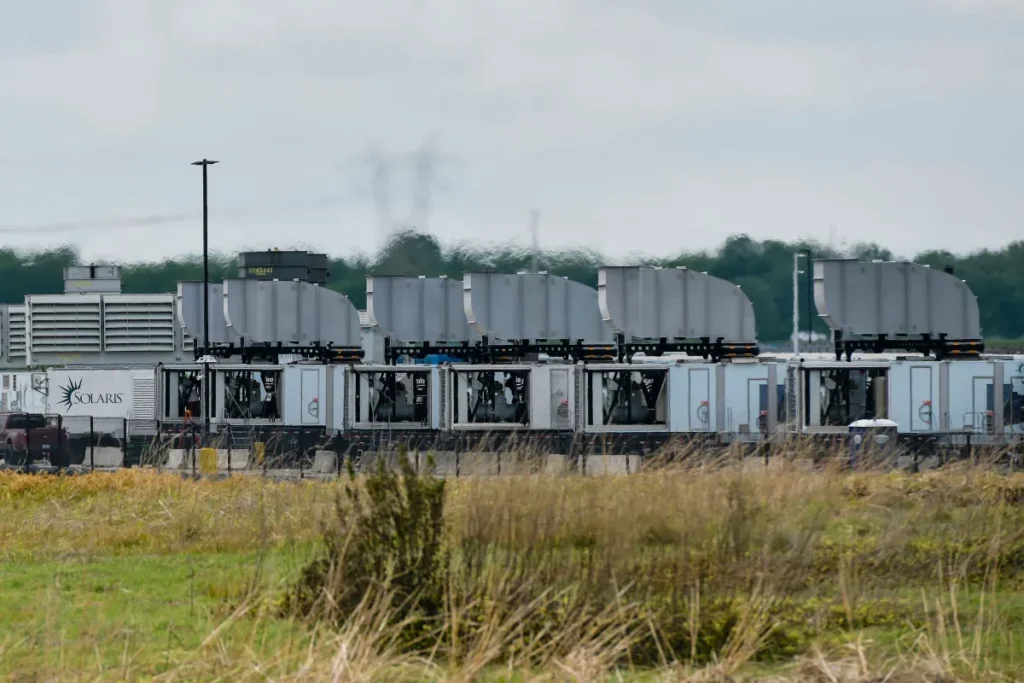
The bill wasn’t born out of nowhere. Data centers are power hogs — everyone knows that. A single large facility can draw as much electricity as a small town, and as AI workloads explode, the demand for compute is only getting worse. Maine, like a lot of states, is trying to figure out how to balance the economic upside of these projects — jobs, tax revenue, infrastructure investment — against the very real strain they put on the grid and the environment.
LD 307 was a blunt instrument. It didn’t differentiate between a hyperscale facility and a modest colocation site. It didn’t account for facilities powered by renewable energy or those already in the pipeline. It just said: stop, for everyone, for a year and a half. That’s the kind of blanket approach that sounds good in a press release but falls apart when you talk to developers, utilities, and local governments who’ve already spent time and money on planning.
Mills’ veto message hit the right notes. She acknowledged the concerns about energy consumption and environmental impact but argued that a moratorium would send the wrong signal to the tech industry and stifle economic development. She also pointed out that the state’s energy planning processes are already underway — the Maine Public Utilities Commission and the Governor’s Energy Office are studying the issue. A moratorium would just duplicate that work while creating uncertainty for businesses.
It’s worth noting that this isn’t a free pass for data centers. The state still has plenty of regulatory tools to manage their impact — permitting requirements, environmental reviews, grid interconnection rules. What it doesn’t have is a one-size-fits-all ban that treats every project as a threat.
I’ve seen this pattern before. States get spooked by a few high-profile data center proposals — often from the same big players — and rush to impose moratoriums that end up doing more harm than good. Virginia came close a few years ago. Now Maine was next. The problem is that moratoriums don’t solve the underlying tension between growth and sustainability. They just kick the can down the road, and in the meantime, developers go elsewhere.
Mills’ veto doesn’t mean the conversation is over. The legislature could try to override it, though that’s unlikely given the governor’s rationale. More likely, we’ll see a more targeted approach — maybe something that ties data center approvals to renewable energy commitments or grid capacity studies. That would be a better outcome anyway.
For now, Maine stays open for business. Whether that’s a good thing depends on how seriously the state takes the energy and environmental questions that LD 307 was trying to address. But a moratorium was never the right answer.
Comments (0)
Login Log in to comment.
Be the first to comment!