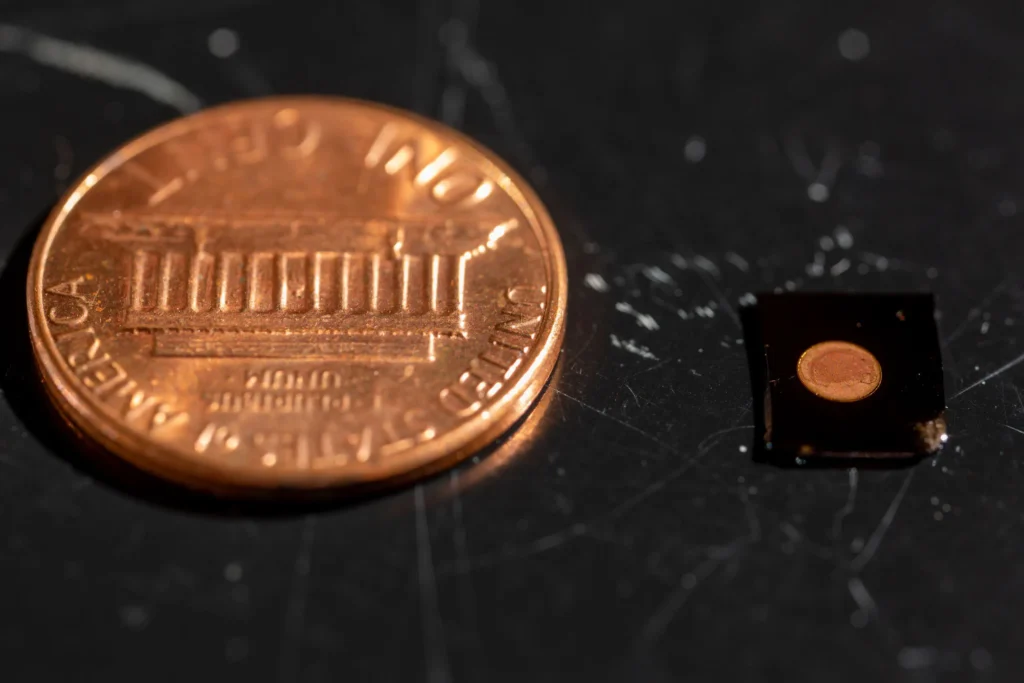

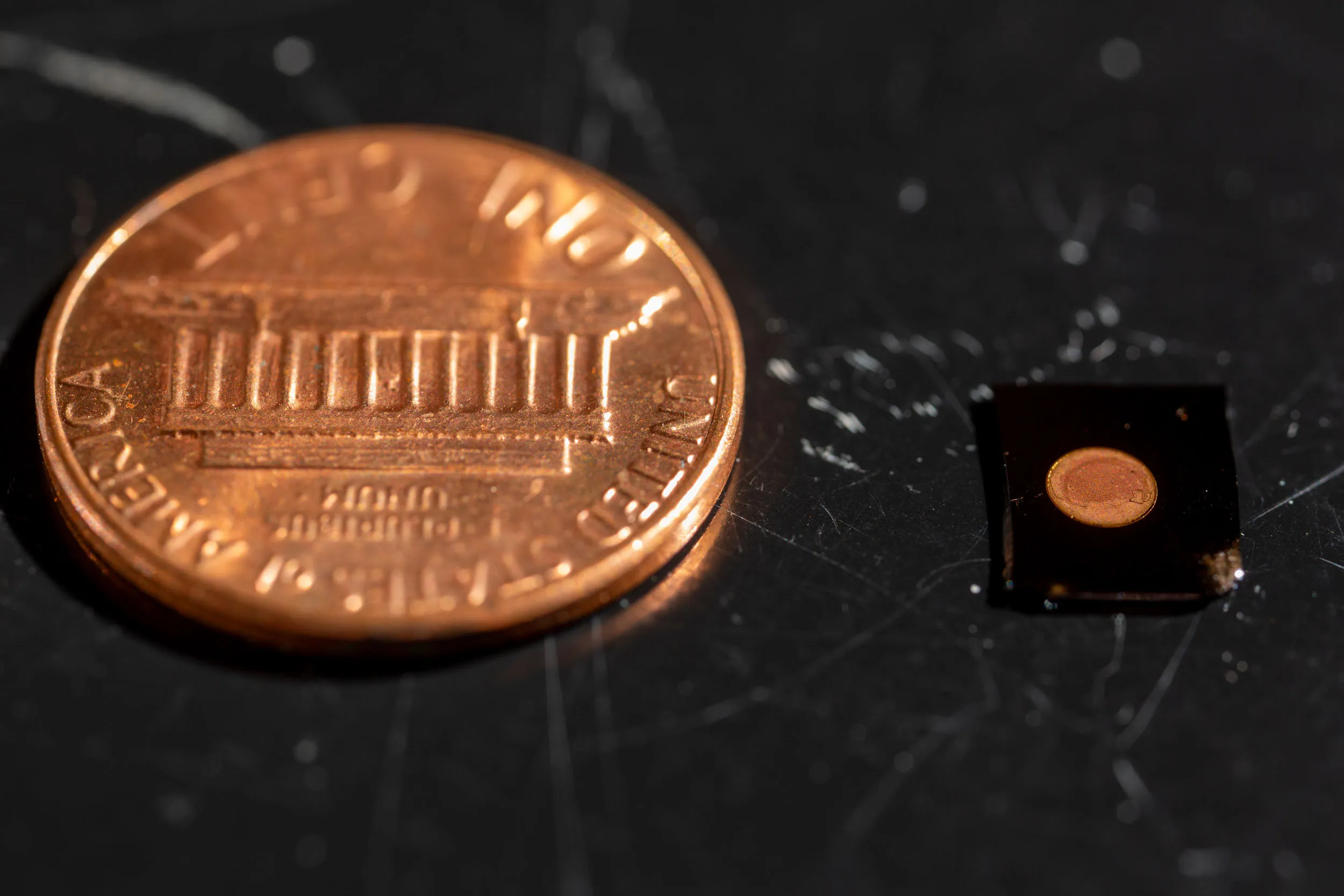
MIT researchers have been working on a diagnostic approach that sounds almost too neat: breathe in some nanoparticles, wait ten minutes, exhale into a tube, and get a read on whether you have pneumonia. The system, called PlasmoSniff, is a portable chip-scale sensor that traps synthetic biomarkers released only when specific enzymes produced during an infection are present.
The idea isn’t entirely new. Professor Sangeeta Bhatia’s lab has been tinkering with these nanoparticle sensors for years. In a 2020 paper, they showed the particles could detect pneumonia in mice, but the measurements required bulky lab equipment that no clinic or home would have lying around. That’s where Loza Tadesse, an assistant professor of mechanical engineering, and her team come in. They’ve managed to detect those exhaled biomarkers at extremely low concentrations using an enhanced form of Raman spectroscopy—basically, shining light on molecules and reading the scattered signal.
The trick is that the nanoparticles are designed to latch onto biomarkers in the body, but when enzymes from an infection are present, they snip the biomarkers off. Those freed biomarkers then get exhaled. If you’re healthy, the particles just circulate and eventually pass out intact. The new sensor can pick up those freed biomarkers at levels that would have required a lab-grade spectrometer before.
Aditya Garg, an MIT postdoc and lead author on the latest paper, says the vision is straightforward: a patient inhales the nanoparticles, waits about ten minutes, and exhales a synthetic biomarker that tells doctors what’s happening in the lungs. The team plans to shrink the whole setup into a handheld instrument suitable for clinical settings or even home use.
What I find interesting is that the application isn’t limited to lung infections. Tadesse points out the same sensor could sniff out industrial chemicals or airborne pollutants. That opens up a whole other use case for occupational safety or environmental monitoring—though I suspect the regulatory path for a diagnostic device is going to be more straightforward than for an environmental sniffer.
There are still open questions. The nanoparticle inhalation step is clever but introduces a layer of complexity. Will patients tolerate inhaling engineered particles? How long before the body clears them completely? And the Raman spectroscopy enhancement, while impressive, needs to be robust enough for real-world use, not just lab conditions. Still, this is a genuinely different approach to breath diagnostics—most attempts focus on detecting volatile organic compounds directly, not engineering a synthetic signal that only appears when there’s trouble.
I’d keep an eye on this one. If they can get the handheld device to work reliably, it could change how we diagnose not just pneumonia but a range of respiratory conditions. And honestly, anything that reduces the need for chest X-rays or sputum cultures is a win in my book.
Comments (0)
Login Log in to comment.
Be the first to comment!