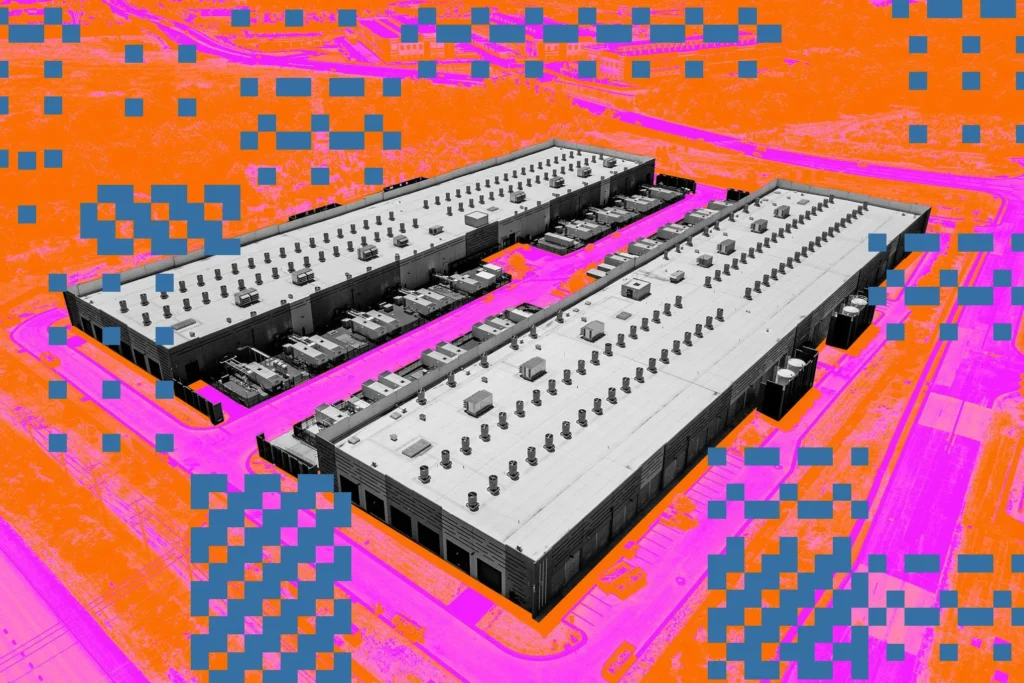

Public pushback against data centers has been getting louder, and water consumption is a big part of it. These facilities guzzle water for cooling, often in regions already stressed for supply. Nvidia is now leaning into that narrative with its latest reference design for the Rubin generation, claiming a fully liquid-cooled setup has “eliminated massive amounts of power usage and pretty much all water usage.”
That’s a bold claim, and on the surface, it sounds great. Liquid cooling isn’t new, but running it hotter is a clever trick. By allowing coolant temperatures to rise, you reduce or eliminate the need for evaporative cooling towers, which are the main water hogs in traditional data centers. The idea is that the waste heat can be rejected to the ambient air without wetting it. This is higher efficiency than I expected from a reference design, and it’s a genuine step forward for operators in arid regions.
But let’s not pretend this solves everything. Nvidia’s blog post, as Gizmodo rightly pointed out, conveniently ignores the cost delta. Building a liquid-cooled facility is significantly more expensive than slapping in air handlers and chillers. The plumbing, the coolant distribution units, the leak detection, the specialized racks — it all adds up. For a hyperscaler like Google or Microsoft, that’s an investment they can absorb. For smaller cloud providers or enterprises, it might price them out of the latest hardware entirely.
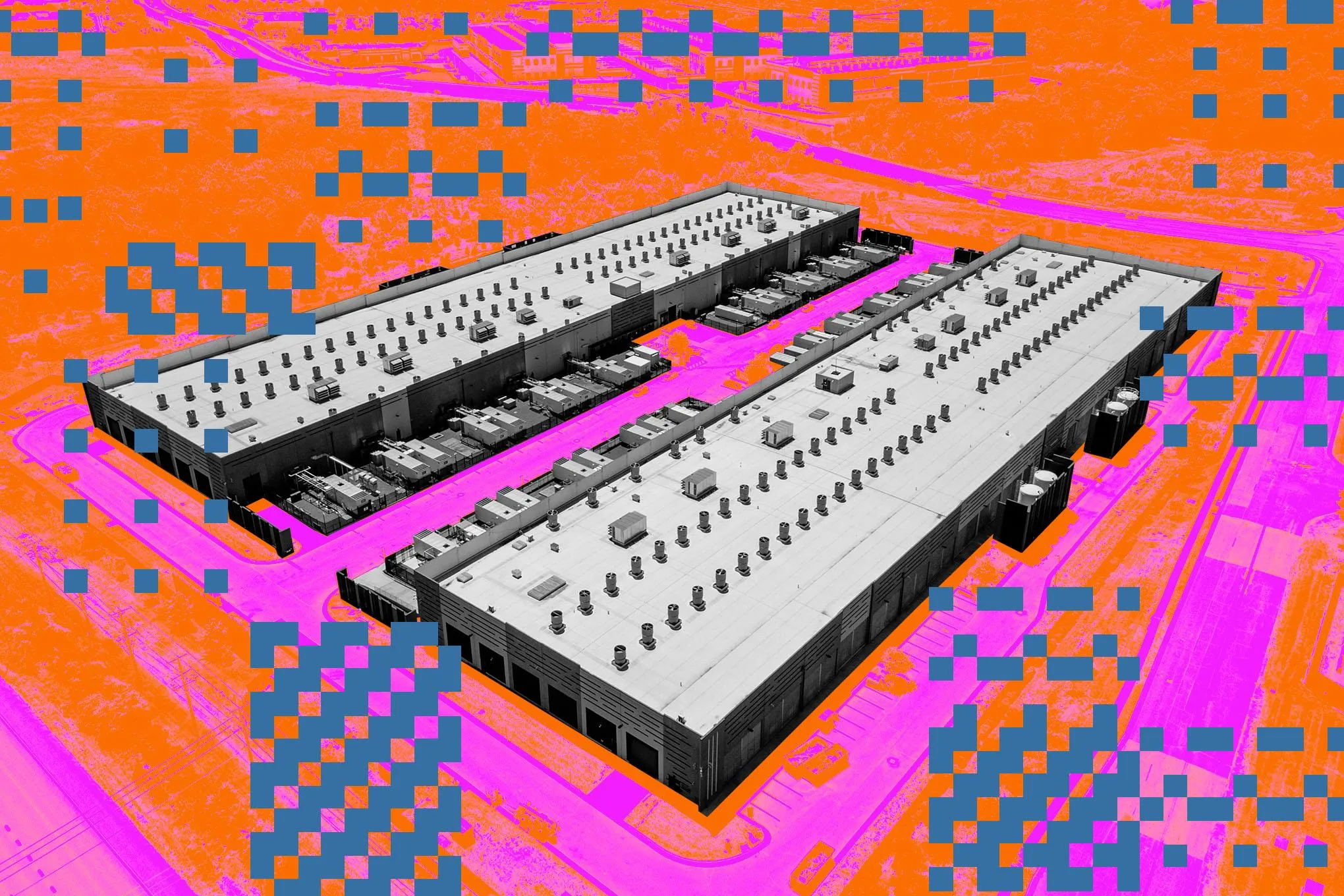
And then there’s the elephant in the room: construction and power generation. Building a data center, especially one designed for AI workloads, has a massive carbon footprint. Concrete, steel, and the logistics of moving that much equipment are all environmentally costly. Nvidia’s design doesn’t address that at all. Also, running a facility that pulls tens of megawatts still requires a power plant somewhere. If that plant is burning natural gas, the water savings from cooling are offset by the water used in gas extraction and power generation. It’s a shell game, not a net win.
I’ve seen this approach tried before. In the early 2010s, some colo providers pushed hot-aisle containment and higher supply temperatures to save on cooling costs. It worked, but it required careful load management and often led to hot spots that damaged equipment. Liquid cooling is more forgiving, but it’s not magic. Nvidia’s reference design is a reference, not a guarantee. Actual deployment will vary wildly based on climate, local regulations, and operator competence.
Look, I’m not saying Nvidia is wrong. Reducing water usage in data centers is a worthy goal, and liquid cooling with higher temperatures is a solid engineering solution. But the company’s framing is too clean. It glosses over the trade-offs — cost, construction impact, and the fact that “pretty much all water usage” still leaves some on the table. If you’re building a new AI cluster, this is worth considering, but don’t buy the hype that it’s a complete fix. The water and energy problems of AI data centers are structural, and no single design change will erase them.
Comments (0)
Login Log in to comment.
Be the first to comment!