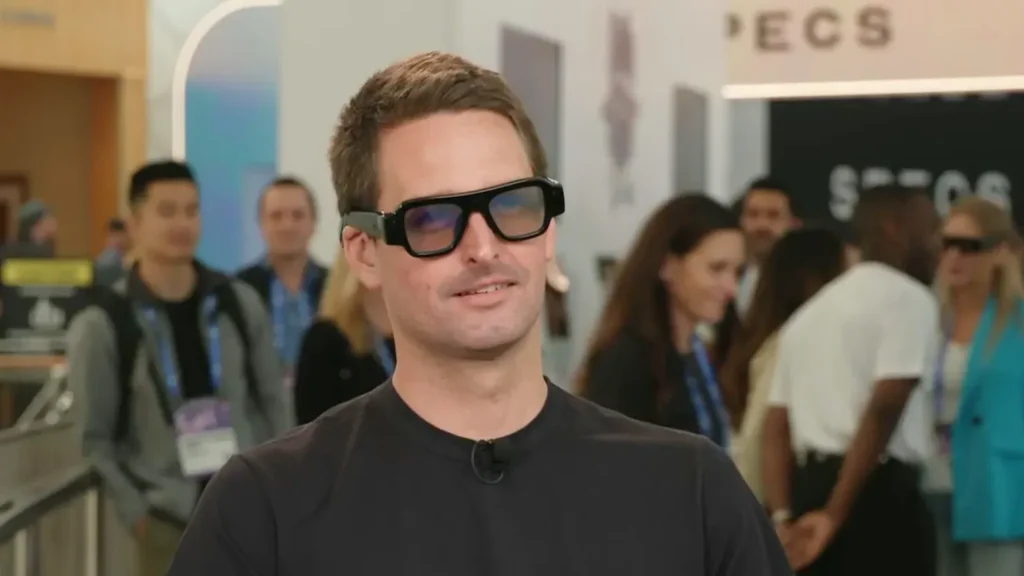

Snap CEO Evan Spiegel wearing the Snap Specs. They’re not the worst on him, but bold fashion rarely makes for mainstream success. | Screenshot: CNBC
Yesterday, Snap debuted its new $2,195 Specs glasses. In an interview with CNBC, Evan Spiegel described them as something the company had been working on for more than 12 years — an attempt to “bring computing into the world” and “make it more human.” He positioned them as a device to help people stay more connected to the world around them instead of looking down at their phones. People, he said, are tired of screens.
While Spiegel was speaking, I was struck by how, whenever his head moved, the light caught the lenses just so, revealing the hidden outline of the Specs’ display. It was ironic that Spiegel was talking about scr…
Read the full story at The Verge.
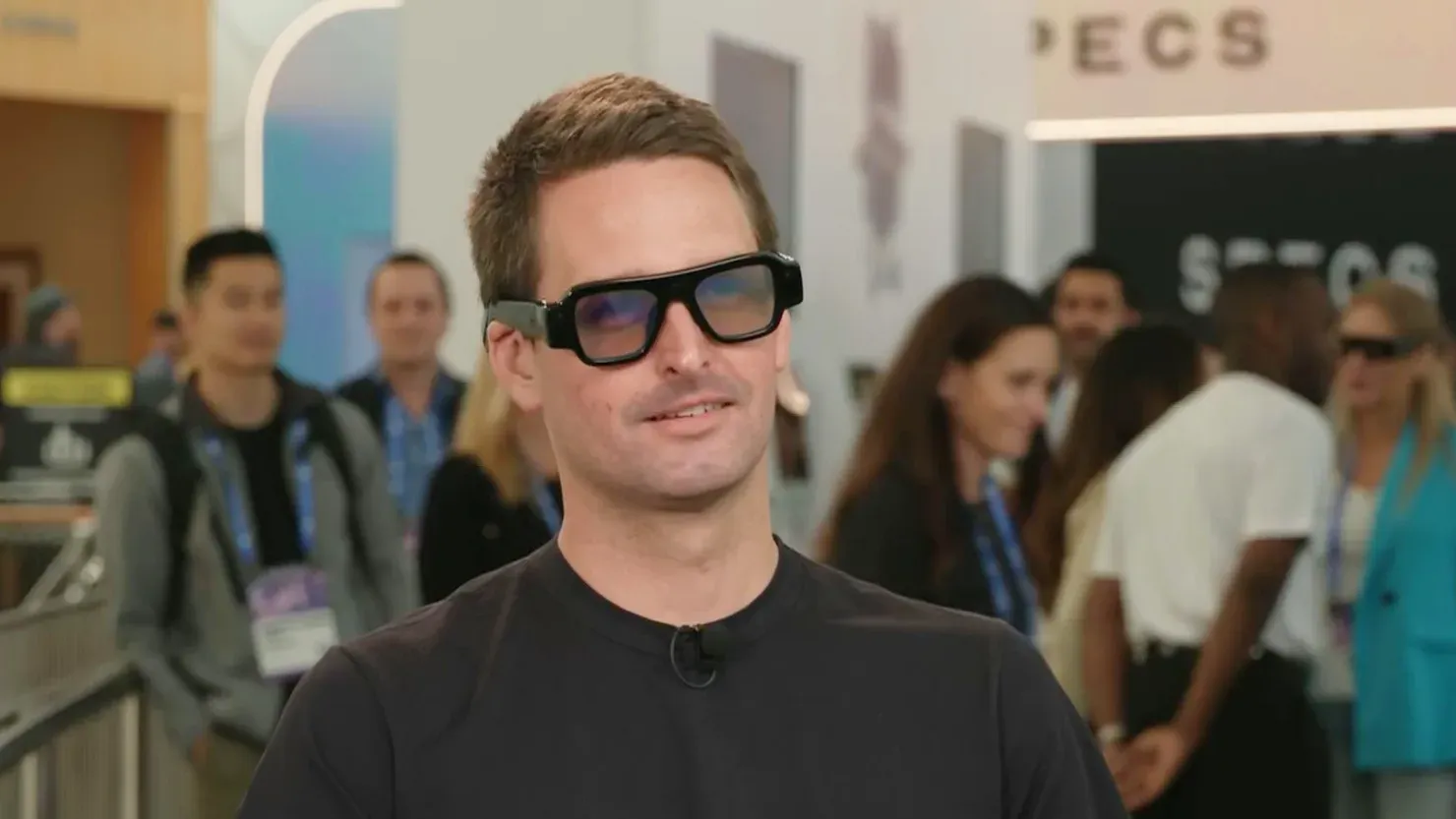
Here’s the thing: I get what Snap is trying to do. The company has been flirting with AR glasses since before most people knew what AR meant. The original Spectacles from 2016 were a novelty — a way to record 10-second videos from your face. They sold okay for a minute, then fizzled. The new Specs are a different beast entirely: full AR display, hands-free computing, and a price tag that makes you flinch.
But the problem isn’t the hardware. It’s the look. And I don’t mean the aesthetic design — though that’s debatable too. I mean the social cost of wearing something that screams “I am wearing a computer on my face.” Spiegel can pull it off because he’s the CEO and he’s being filmed for CNBC. But what about the rest of us? Walking into a coffee shop with these on feels like wearing a sign that says “Ask me about my startup.”
Snap has a history of making things that are technically impressive but culturally awkward. The original Spectacles had that weird yellow case that played a song when you opened it. They were fun for about a week. Then they became a punchline. The new Specs might be more capable, but the core question remains: are people actually going to wear them in public?
The answer, I suspect, is not many. At least not at $2,195. That’s iPhone Pro territory. That’s a used MacBook. That’s a lot of money for something that might make you look like a cyborg cosplayer. And even if the tech is great — and I haven’t tested it yet, so I’ll reserve judgment — the fashion hurdle is real. We’ve seen this movie before. Google Glass died not because the tech was bad, but because nobody wanted to be the person wearing them.
Snap is betting that time has changed things. Maybe it has. Maybe people are truly tired of screens and ready to embrace something that puts information in their field of view without requiring them to stare at a slab of glass. But I’m not convinced. The glasses need to look like normal glasses, not like props from a sci-fi B-movie. And from what I’ve seen, they’re not quite there yet.
That said, I respect the ambition. Snap is one of the few companies still pushing AR wearables seriously. Apple is rumored to be working on something, Meta has the Ray-Ban Stories, but neither has shipped a full AR display that you can actually buy. Snap is doing it. That takes guts. But guts don’t sell consumer products. Cool does. And I’m not sure these glasses are cool enough to justify the price or the social awkwardness.
Spiegel says computing should be more human. I agree. But making computing human means making it invisible, not putting it on your face where everyone can see it. Until Snap figures that out, these Specs will remain a niche product for developers, early adopters, and people who really, really want to look like they’re from the future. The rest of us will keep looking down at our phones.
Comments (0)
Login Log in to comment.
Be the first to comment!