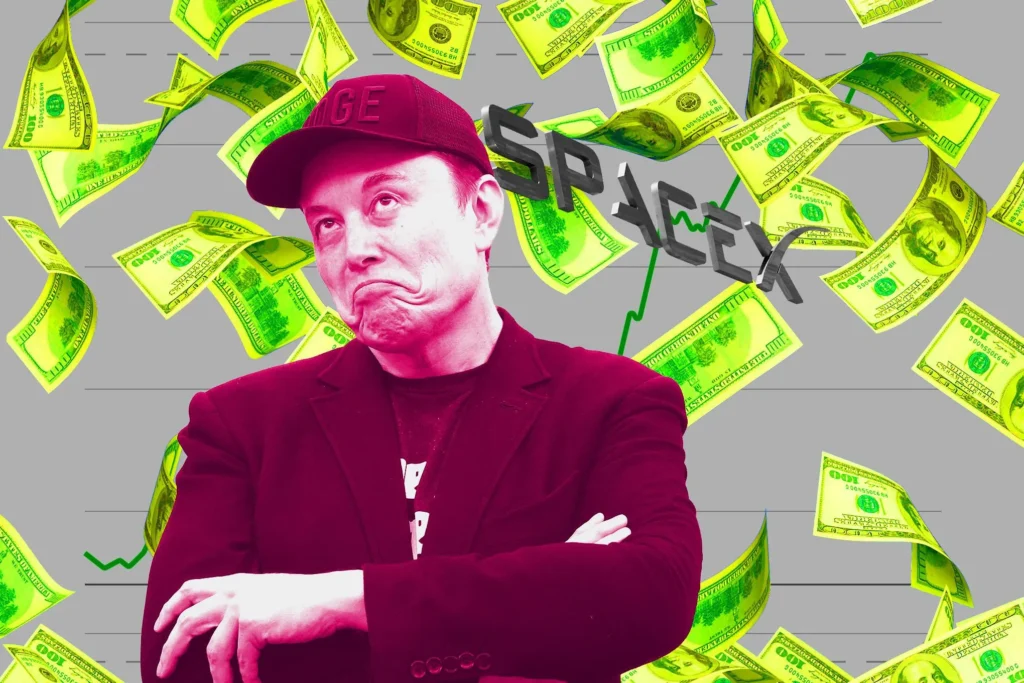

Days after its massive IPO, SpaceX announced it’s spending $60 billion to acquire Cursor. Not a startup you’d normally associate with rockets or Starlink, but here we are. This is Elon Musk’s sprawling empire—rockets, AI, social media, and now apparently a programming platform—making a very expensive bet to win over enterprise customers and close the gap with AI rivals like Anthropic and OpenAI.
The takeover wasn’t exactly a surprise. Back in April, SpaceX cooked up this weird arrangement where they agreed to either buy Cursor for $60 billion or pay a $10 billion breakup fee. That’s a lot of money just to walk away. The company had been sitting on the deal while going public, and now that the IPO dust has settled, they’re pulling the trigger.
According to an SEC filing, SpaceX expects the deal to close in the third quarter of 2026. So sometime between now and September, this thing should be done.
What does SpaceX actually want with Cursor? On the surface, it’s a coding platform that uses AI to help developers write software faster. But Musk’s play here is deeper. He’s been trying to build a competitive AI stack across his companies—xAI for models, X (formerly Twitter) for data, Tesla for hardware, and now SpaceX for… enterprise software? Cursor gives him a direct pipeline into the developer tools market, which is exactly where OpenAI’s Codex and Anthropic’s Claude are already making moves.
Let’s be real: $60 billion is a lot for a tool that competes with GitHub Copilot and similar products. But Musk isn’t buying a product—he’s buying a beachhead. Cursor’s user base is largely developers who work at the kind of companies SpaceX wants to sell AI services to. It’s a distribution play, not a technology play.
I’ve been using Cursor on and off for a few months. It’s decent, but it’s not magic. The real value is in the integrations and the ecosystem. If Musk can fold Cursor into a broader AI platform that includes Grok (from xAI) and some of the custom silicon Tesla has been cooking up, then maybe the price tag starts to make sense.
Still, I’m skeptical. SpaceX has a history of ambitious acquisitions that don’t always pan out. Remember when they bought that satellite startup for $2 billion and it took years to integrate? This is 30 times that. And the breakup fee was $10 billion—higher than most companies’ entire market caps. That tells me Musk was either very confident or very desperate to lock this in before someone else snatched it.
The IPO timing is interesting too. SpaceX just went public, and now they’re burning through $60 billion of that fresh capital. Shareholders must be thrilled. But Musk has never been one to play it safe. He’s betting that Cursor will be the key to unlocking enterprise AI revenue that SpaceX’s other ventures haven’t captured yet.
Will it work? Hard to say. The developer tools market is crowded, and enterprise customers are notoriously sticky. But if anyone can brute-force their way into a new market with sheer capital and a cult of personality, it’s Musk. I just hope the engineers at Cursor are ready for the chaos that comes with being part of the Muskverse.
Comments (0)
Login Log in to comment.
Be the first to comment!