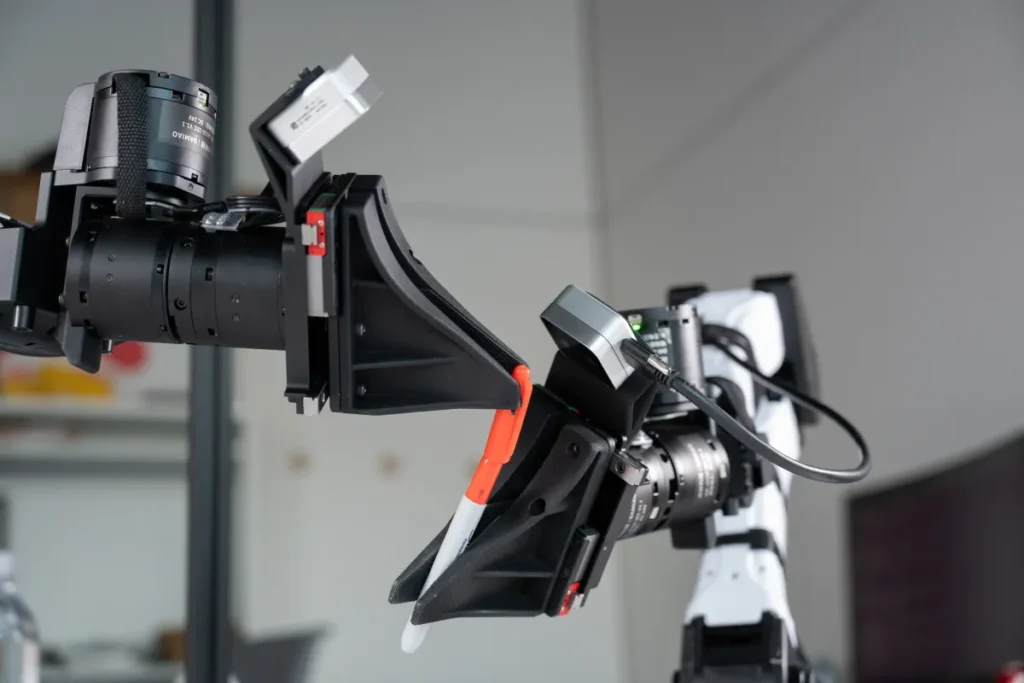

Everyone loves talking about the future of physical AI — robots that cook, clean, build, and care for us. But nobody wants to talk about how those robots learn. The truth is, training a robot to fold laundry or pick up a coffee cup requires mountains of real-world data, and that data doesn’t come from scraping the internet. It comes from people doing the actual work, often in uncomfortable, repetitive, and yes, dirty conditions.
A recent TechCrunch piece highlighted something I’ve been watching for a while: AI labs are quietly hiring people — sometimes through gig platforms, sometimes directly — to perform tasks while wearing sensors, or to remotely operate robots that then log their every move. The pay varies, but the article mentions rates that can hit XDOF (whatever that acronym stands for in context; I’m guessing it’s a placeholder for a specific dollar figure). The point is, this isn’t volunteer work. It’s a job, and it’s not a fun one.
I’ve seen this pattern before. Back in the early days of autonomous driving, companies hired people to drive thousands of miles in sensor-laden cars, logging every turn, every stop, every pedestrian. It was tedious, but it worked. Now the same thing is happening for general-purpose robotics, except the tasks are even more granular: picking up a spoon, opening a drawer, wiping a counter. You do it over and over, from different angles, in different lighting, with different objects. It’s the kind of work that makes data entry look exciting.
What strikes me is how this contrasts with the clean, polished demos you see at conferences. A robot smoothly pouring a drink or stacking boxes looks effortless, but behind that video are thousands of hours of human-guided failures. Someone had to reset the robot arm after it knocked over the cup. Someone had to clean up the spilled liquid. That’s the dirty secret of physical AI: the data pipeline is messy, expensive, and deeply human.
Some labs are trying to automate data collection with simulation or synthetic data, and that helps, but it’s not enough. Simulations can’t fully capture the chaos of a real kitchen — the sticky counter, the oddly shaped bottle, the way light shifts across the room. So for now, we’re stuck with the human-in-the-loop approach, paying people to do the boring, grimy work that makes the magic happen.
Is this sustainable? Probably not at scale. But it’s a necessary phase. Every AI breakthrough has gone through a manual data-gathering phase before automation kicked in. Speech recognition needed thousands of hours of transcribed audio. Image recognition needed millions of labeled photos. Physical AI is just going through its own awkward adolescence.
I don’t envy the people doing this work, but I respect it. And I think the industry should be more honest about it. Instead of pretending robots learn from pure code or magic, let’s acknowledge the humans behind the curtain, getting their hands dirty so the machines don’t have to.
Comments (0)
Login Log in to comment.
Be the first to comment!