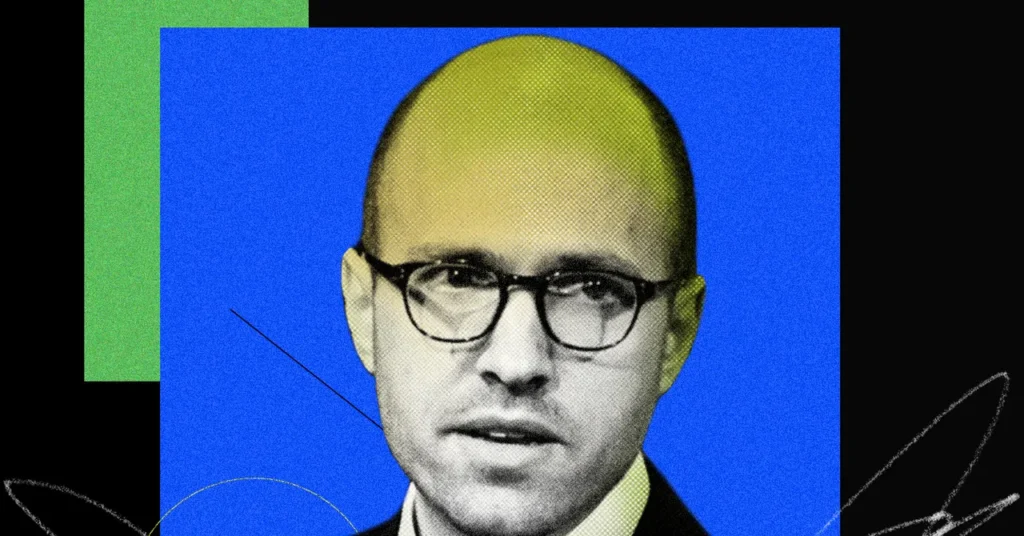

Back in 2023, when the New York Times dragged OpenAI and Microsoft into court for copyright infringement, a lot of people shrugged. Another media company crying about AI stealing their stuff. But nearly three years later, this case has turned into something much bigger than a legal squabble. Publisher A.G. Sulzberger has reportedly dropped over $20 million on the litigation, and he’s not backing down. That’s not pocket change, even for the Gray Lady.
Let’s be real: most publishers would have settled by now. The legal fees alone could fund a small newsroom. But Sulzberger seems to be playing a long game, and I think he’s onto something. This isn’t just about the Times’ own content being scraped into training data. It’s about whether the entire news industry can survive when AI models can regurgitate reporting without paying a dime.
Here’s the thing that bugs me: the AI companies argue that using copyrighted material for training is ‘fair use.’ Maybe that holds for generic web text, but news is different. Journalism costs money—real money. Reporters spend weeks chasing sources, verifying facts, and editing. When ChatGPT spits out a summary of a Times investigation, it’s not just copying words; it’s bypassing the entire economic model that makes that reporting possible.
The Times isn’t asking for the moon. They’ve floated ideas like licensing deals—which OpenAI has already struck with other outlets like Axel Springer and the Associated Press. But the lawsuit is a warning shot: if you want to use our work, you’re going to pay, or we’ll see you in court. And Sulzberger’s willingness to burn $20 million shows he’s serious about setting a precedent, not just cashing a check.
Some critics say the Times is being greedy, that AI is just another distribution channel. But I’ve been in this industry long enough to see the pattern. First, Google News took traffic. Then social media ate the ad revenue. Now AI is threatening to make news itself a commodity. If the Times loses this case, every scraper bot and model trainer will take it as a green light to use journalism as free raw material. That’s a bleak future.
There’s also a personal angle here. Sulzberger isn’t just a corporate suit; he’s a man who genuinely believes in the mission of journalism. In interviews, he’s talked about the ‘moral urgency’ of protecting original reporting. That might sound grandiose, but when you see local newsrooms shuttering and AI-generated clickbait flooding the web, you start to get it.
Of course, the case could go sideways. Courts have been unpredictable on fair use, and a loss would be a massive setback. But even a partial win—say, a ruling that forces AI companies to negotiate licenses—would reshape the industry. It wouldn’t save every newspaper, but it would give them a fighting chance.
I’m not saying the Times is the hero we all need. They’re a big corporation with their own agenda. But in this fight, they’re the only one with the resources and stubbornness to take on the tech giants head-on. And for anyone who cares about where news comes from, that matters.
So while the tech bros keep pushing the narrative that AI will democratize information, I’m watching Sulzberger’s $20 million bet with cautious optimism. If he wins, it’s not just a win for the Times—it’s a win for every journalist who wants to get paid for their work. If he loses, well, we’re all in trouble. But at least someone’s fighting.
Comments (0)
Login Log in to comment.
Be the first to comment!